In a world full of noise, we teach children to slow down, notice, and speak about what they see.
pathways for all stages of life and learning.
Our classes are calm, structured, and globally themed because children deserve to understand the world.
Families & Learning
Children do not learn language alone.
You are invited to be a part of the process.
They learn in conversation — in kitchens, in car rides, in quiet moments after a story has been read twice.
At ESL with Audra, I believe parents are capable guides in their child’s learning. You do not need to be fluent or perfect - just present.
Each reading packet includes a parent guide designed to make language practice natural and manageable. These guides offer:
• Key vocabulary with simple explanations
• Suggested questions to ask during reading
• Gentle pronunciation support
• Small daily practice ideas
For families who prefer additional support, short translated video explanations are available. These are not lectures, but calm walkthroughs — designed to help you feel steady and confident while guiding your child.
Language grows best when it is practiced at home with patience and repetition. A child who sees their parent engaged in learning understands that language is not a school task — it is part of life.
When families feel confident, children feel secure.
When children feel secure, they speak more freely.

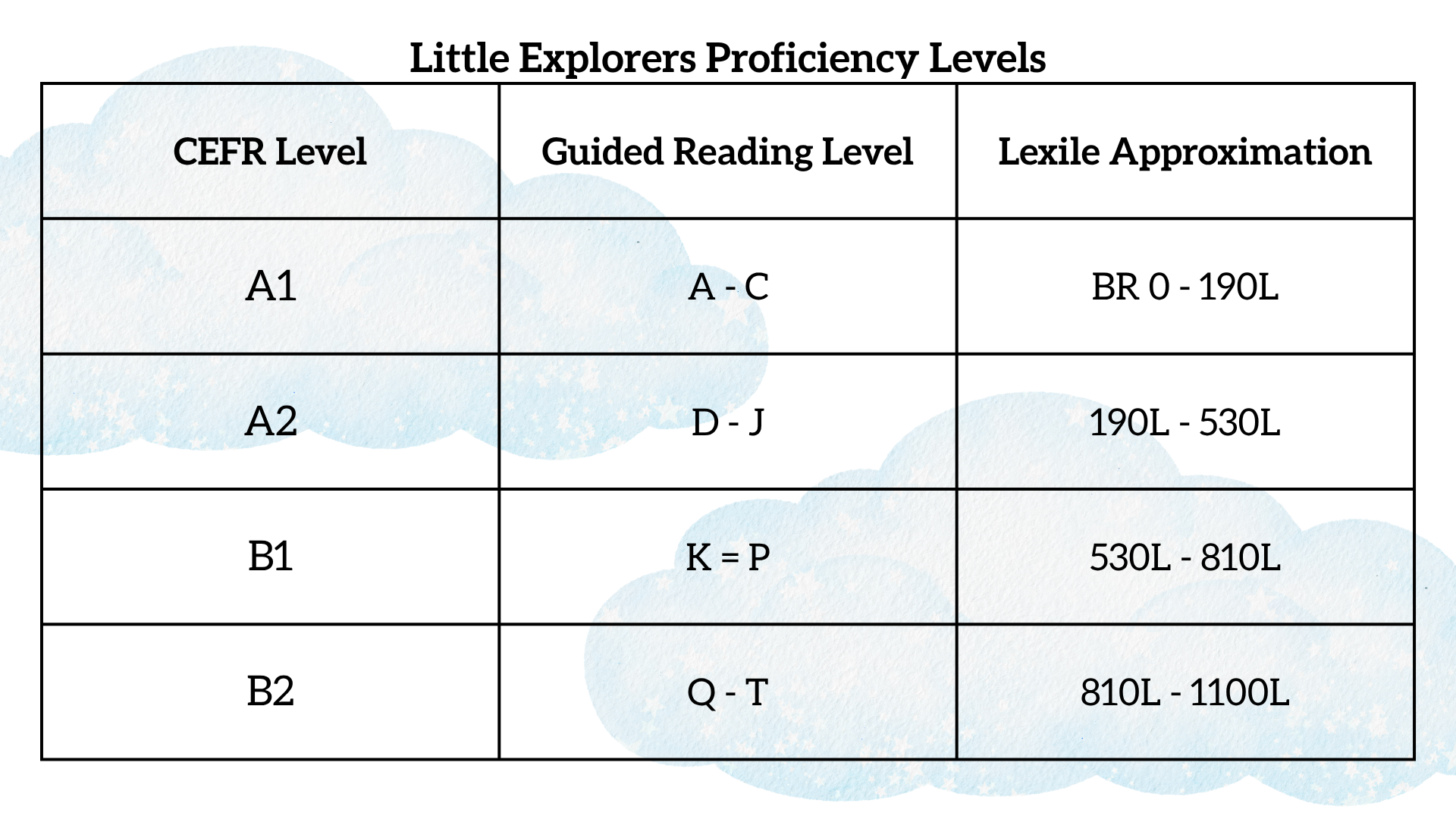
Early Foundations — Little Explorers (Ages 3–12)
Kindergarten | Little Explorers | Curious Explorers
Focus and critical thinking at each level:
Emotional vocabulary
Structured speaking
Literacy development
Reading comprehension
Academic foundations
Goal:
Build voice ownership from an early age.
Advancement — High School Pathways (Ages 13 - 18)
Global Thinkers | Curiosity Courses
Pathway Philosophy
Core Statement
the approach.
No matter the level, each session is calm, intentional, and paced for growth.
We focus on clarity rather than speed — building vocabulary, listening skills, and sentence structure through guided practice.
Confidence is developed gradually.
Correction is gentle.
Progress is steady.
Even at ages 3–6, we are not teaching:
isolated word lists
grammar drills
performance-based repetition
We are teaching:
language through observation
vocabulary through lived experience
structure through repetition in context
emotional intelligence alongside communication
Growth is observed through participation, vocabulary retention, reading development, and written work.
Rather than formal testing, we emphasize steady improvement and growing confidence.